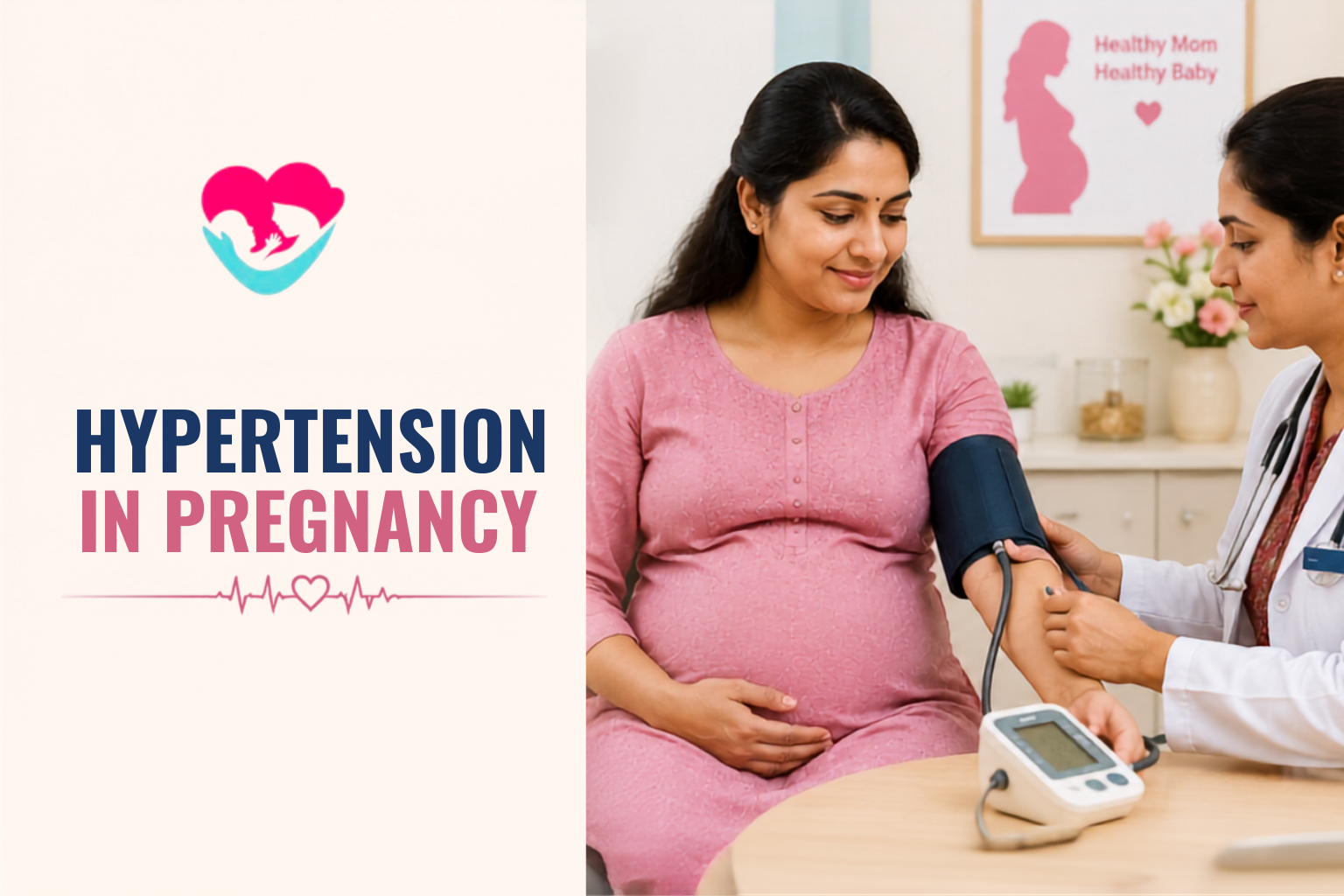
Pregnancy brings so many changes to your body, and it’s not always easy to tell which ones are normal and which ones need attention. One condition that deserves real attention is high blood pressure during pregnancy, also known as hypertension in pregnancy. It’s more common than most women realize, and catching it early can make a huge difference for both mother and baby.
Let’s break down what every expecting mother should know, in plain, simple terms.
Hypertension in pregnancy simply means your blood pressure is higher than it should be while you’re carrying your baby. It’s usually diagnosed when readings are 140/90 mmHg or higher, measured on two separate occasions.
This isn’t just one condition, though. It actually falls into a few different categories:
Each type needs a different level of monitoring, which is why regular prenatal visits matter so much.
There’s no single cause, but a few factors tend to play a role. Your blood volume increases significantly during pregnancy, your blood vessels have to work differently to support the placenta, and hormonal shifts can affect how your body regulates pressure.
Some women are more likely to develop it than others. Risk tends to be higher if you’re pregnant for the first time, carrying twins or multiples, over the age of 35, overweight, or have a family history of preeclampsia or hypertension.
None of this means something is “wrong” with you. It simply means your care team needs to keep a closer eye on things.
This is the part every expecting mother should really pay attention to. Some symptoms are easy to brush off as normal pregnancy discomfort, but they can actually be early warning signs.
Watch for:
If you notice any of these, don’t wait for your next scheduled appointment. Call your doctor the same day. These symptoms can develop quickly, and early action is what keeps things safe.
Diagnosis usually starts with a simple blood pressure check at your regular prenatal visit, which is exactly why these visits matter even when you’re feeling fine. If your reading is elevated, your doctor will likely order a urine test to check for protein, which can indicate preeclampsia, along with blood tests to check liver and kidney function.
In some cases, additional monitoring like fetal ultrasounds or non-stress tests may be recommended to make sure your baby is getting enough oxygen and nutrients.
Yes, and this is the reassuring part. With proper care, most women with pregnancy-related hypertension go on to have healthy deliveries.
Management usually includes:
In more serious cases, especially with preeclampsia, your doctor might recommend early delivery to protect both you and your baby.
It can, which is why monitoring matters. Untreated hypertension can reduce blood flow to the placenta, which may limit the baby’s growth and, in severe cases, lead to preterm birth. This is exactly why routine check-ups aren’t something to skip, even if you feel completely fine.
While you can’t control every risk factor, there’s a lot you can do to support your body:
Small, consistent habits often matter more than dramatic lifestyle overhauls.
Q1. Is high blood pressure during pregnancy dangerous?
It can be, especially if left untreated. Most cases are manageable with early detection and proper medical care, but severe cases like preeclampsia require close monitoring and sometimes early delivery.
Q2. At what week does pregnancy hypertension usually start?
Gestational hypertension typically develops after 20 weeks of pregnancy. Chronic hypertension, on the other hand, is present before pregnancy or diagnosed in the first 20 weeks.
Q3. Can I have a normal delivery with hypertension?
Many women with well-managed hypertension do have normal vaginal deliveries. The decision depends on your blood pressure control, overall health, and how your baby is doing.
Q3. What foods should I avoid if I have high blood pressure during pregnancy?
It’s best to limit salty snacks, processed foods, canned soups, and foods high in added sugar. Focus instead on fresh, home-cooked meals.
Q4. Does hypertension in pregnancy go away after delivery?
In most cases, gestational hypertension resolves within a few weeks after childbirth. However, some women may need continued monitoring, especially if they had preeclampsia.
Have questions? We’re just a message away! Contact us on WhatsApp — Click Here to Chat with Us
Every pregnancy is different, and blood pressure changes don’t always look the same from one woman to another. The most important thing you can do is stay informed, attend your prenatal visits, and speak up the moment something feels off.
If you’re experiencing any of the warning signs mentioned above, or simply want expert guidance tailored to your pregnancy, it’s worth consulting an experienced gynecologist who can assess your specific situation.
Dr. Tejashree Bakre, a gynecologist and obstetrician with 14+ years of experience practicing in Mulund, Mumbai, and associated with several reputed hospitals across the city, is well-placed to guide expecting mothers through safe pregnancy management, including monitoring and treatment for hypertension-related concerns. A timely consultation can offer clarity, reassurance, and the right care plan for you and your baby.
Name – Dr. Tejashree Bakre, Gynecologist Obstetrician and Laparoscopic Surgeon Mumbai
Address: 2nd Floor, Rohini Residency, Maple Polyclinic, Cabin D, 201, B Wing, MG Road, near Panch Rasta, Mulund West, Mumbai, Maharashtra 400080
Phone: 70455 63438
Dr. Tejashree Bakre is a consultant Obstetrician, Gynecologist, and Laparoscopic Surgeon practicing in Mulund & Bhandup, Mumbai, with over 14+ years of experience specializing in high-risk pregnancies, advanced minimally invasive surgeries, and comprehensive women’s healthcare.
Cabin D, 201, B Wing, 2nd Floor, Rohini Residency, M.G. Road, Near Panch Rasta, Mulund West, Mumbai – 400080.
3rd Floor Marathon Millennium Lal Bahadur Shastri Marg, besides, Nirmal Lifestyle Rd, Mulund West, Mumbai, Maharashtra 400080
B Wing, 1st Floor, Crosswinds CHSL, Pancharatna Society, Jangal Mangal Rd, opp. Sarvoday Nagar, Satyavijay Society, Gadhav Naka, Gate, Bhandup West, Mumbai, Maharashtra 400078
Tulsi Pipe line Road, Veena Nagar Phase-II, Veena Nagar, Mulund West, Mumbai, Maharashtra 400080
Copyright © 2026 All Rights Reserved Website Design By DMXDIGITAL
WhatsApp us